
Academic Freedom and Due Process Concerns in Bangladesh
London, United Kingdom | 31 July 2026
Introduction
PolicyGov UK expresses serious concern regarding recent disciplinary and administrative measures taken by the authorities of the University of Dhaka against members of the teaching community, including suspension orders and restrictions affecting academic, research and administrative responsibilities.
Universities are essential institutions for advancing knowledge, independent scholarship, critical thinking and democratic dialogue. Academic freedom, institutional autonomy and due process are internationally recognised principles that protect higher education institutions from arbitrary interference and ensure a fair environment for teachers, researchers and students.
PolicyGov UK believes that any allegation against a university teacher must be addressed through a lawful, transparent and impartial process consistent with national legislation, institutional regulations and internationally recognised human rights standards.
Recent Disciplinary Measures at the University of Dhaka
On 30 July 2026, the University of Dhaka authorities announced disciplinary measures against seven teachers following a Syndicate meeting chaired by the Vice-Chancellor, Professor ABM Obaidul Islam.
According to a statement issued by the University of Dhaka Public Relations Office, three teachers were suspended, while four others were relieved of academic and administrative responsibilities.
The three suspended teachers include:
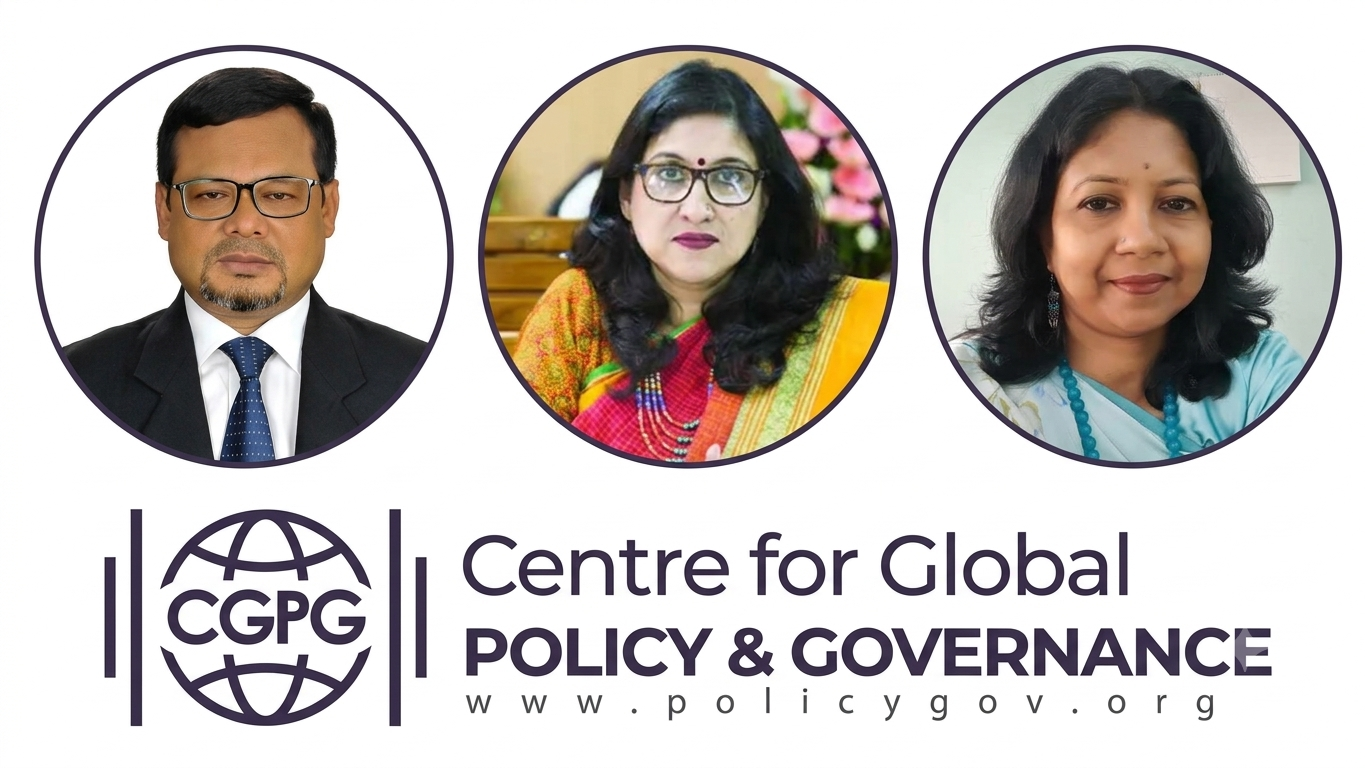
- Professor Dr. Sadeka Halim, Department of Sociology, University of Dhaka and former Vice-Chancellor of Jagannath University;
- Professor Dr. Md. Shafiqul Islam, Department of Nuclear Engineering, University of Dhaka;
- Professor Dr. Afroza Shelley, Department of Nuclear Engineering, University of Dhaka.
According to the University of Dhaka’s official statement, Professor Dr. Sadeka Halim was suspended over allegations relating to conduct described by the university as “unbecoming of a teacher both in and outside the classroom, as well as offences involving moral turpitude.”
The university further stated that Professor Dr. Md. Shafiqul Islam and Professor Dr. Afroza Shelley were suspended following complaints from students and findings of an inquiry committee.
The university also announced that Professor Dr. Md. Abdul Muhit of the Department of Clinical Pharmacy and Pharmacology was relieved of his position as Department Chairman and restricted from academic and administrative duties.
The university stated that these measures related to allegations concerning activities contrary to the spirit of the July Uprising, alleged propaganda against the university administration and government, alleged support for a banned organisation, and alleged threats.
PolicyGov UK does not make any determination regarding the merits of these allegations. However, PolicyGov UK emphasises that disciplinary proceedings involving academics must comply with due process, transparency, the right to a fair hearing and established procedural safeguards.
Background and Concerns
PolicyGov UK has reviewed documents and received representations concerning disciplinary actions and administrative restrictions affecting teachers of the University of Dhaka.
According to information provided to PolicyGov UK, including documentation received from representatives of the Dhaka University Teachers’ Association (DUTA), a number of teachers have faced restrictions affecting their teaching, research and administrative responsibilities.
PolicyGov UK has also received concerns regarding a wider environment in which some academics have allegedly faced intimidation, harassment, social pressure and restrictions affecting their ability to participate fully in university activities.
Professor Dr. Zeenat Huda, General Secretary of the Dhaka University Teachers’ Association (DUTA), stated in an on-record interview with PolicyGov UK that restricting teachers from teaching, conducting research and performing administrative duties raises serious concerns regarding compliance with Statute 45 of The Dhaka University Order, 1973.
Professor Dr. Huda stated that affected teachers were not adequately informed about the specific allegations against them and were not provided an effective opportunity to defend themselves before being restricted from their academic responsibilities.
PolicyGov UK presents these concerns as part of its commitment to promoting academic freedom, institutional accountability and the rule of law.
Legal and Institutional Framework : The Dhaka University Order, 1973
The University of Dhaka operates under the legal framework established by The Dhaka University Order, 1973.
Statute 45 of the Order provides safeguards relating to the service conditions, disciplinary procedures and rights of university teachers and officers.
Statute 45(3) states:
“No teacher or officer shall be penalised or dismissed except on the ground of moral turpitude or inefficiency, or conduct prejudicial to service discipline or unbecoming of a University employee and no action will be taken on such grounds without an enquiry by an Enquiry Committee to be set up by the Syndicate in which opportunity shall be provided to the teacher and officer concerned to represent his case.”
The provision establishes important procedural safeguards, including:
- an enquiry process;
- consideration by an appropriate Enquiry Committee established by the Syndicate;
- an opportunity for the concerned teacher or officer to represent their case.
According to the legal assessment of Human Rights lawyer Sonjoy Kumar Roy, Legal Adviser, PolicyGov UK, disciplinary procedures involving university teachers must be assessed against these statutory safeguards, including procedural fairness and the right of the concerned individuals to respond to allegations.
Barrister Roy notes that institutional autonomy does not remove the responsibility of universities to respect legal obligations, fundamental rights and principles of fairness.
PolicyGov UK recognises that the interpretation and application of statutory provisions remain matters for competent legal authorities; however, procedural fairness, transparency and the right to representation remain fundamental principles in any disciplinary process.
International Human Rights and Academic Freedom Standards
PolicyGov UK considers that disciplinary procedures affecting academics must comply with internationally recognised human rights principles, academic freedom standards and safeguards relating to fair process.
International Covenant on Civil and Political Rights (ICCPR)
Bangladesh is a State Party to the International Covenant on Civil and Political Rights (ICCPR).
Relevant protections include:
Article 14 – Right to a Fair Hearing
Article 14 recognises the right to a fair and public hearing by a competent, independent and impartial tribunal or authority in the determination of rights and obligations.
This principle reflects the broader requirement that individuals facing serious professional consequences must be informed of allegations, provided an opportunity to respond and treated through a fair and transparent process.
Article 19 – Freedom of Opinion and Expression
Article 19 protects the right to freedom of opinion and expression. Academic freedom is closely connected with the ability of teachers and researchers to engage in independent inquiry, scholarly debate and the free exchange of ideas.
International Covenant on Economic, Social and Cultural Rights (ICESCR)
Bangladesh is also a State Party to the International Covenant on Economic, Social and Cultural Rights (ICESCR).
Article 13 recognises the right to education and requires States to respect conditions necessary for the development of education and scholarship.
The UN Committee on Economic, Social and Cultural Rights has recognised that academic freedom and institutional autonomy are essential elements of higher education.
UNESCO Recommendation Concerning the Status of Higher-Education Teaching Personnel (1997)
The UNESCO Recommendation Concerning the Status of Higher-Education Teaching Personnel (1997) establishes internationally recognised principles relating to the rights and responsibilities of university teachers.
The Recommendation affirms that higher-education teaching personnel should enjoy protection for:
- academic freedom;
- independent research;
- teaching and learning;
- expression of scholarly opinions;
- participation in institutional governance.
It further emphasises that disciplinary procedures involving higher education personnel should be fair, transparent, and provide appropriate procedural safeguards.
PolicyGov UK Position
PolicyGov UK emphasises that universities must remain institutions where knowledge, research, debate and intellectual diversity can flourish.
PolicyGov UK therefore maintains that:
All allegations against academics must be addressed through lawful, independent and transparent procedures.
Every academic facing disciplinary action should be informed of the specific allegations against them and provided a meaningful opportunity to respond before decisions affecting their professional rights are finalised.
University disciplinary mechanisms must not be used in a manner that undermines academic freedom, freedom of expression, intellectual diversity or legitimate scholarly activity.
Teachers, researchers and students must be protected from intimidation, harassment, threats or social pressure that may interfere with the normal functioning of academic institutions.
- Institutional autonomy and accountability must operate together, ensuring that universities remain independent while respecting the rule of law and fundamental rights.
PolicyGov UK Calls For
PolicyGov UK respectfully calls upon the relevant authorities to:
1. Review Disciplinary Measures
Review all suspension orders and administrative restrictions affecting university teachers through a transparent, impartial and lawful process.
2. Ensure Due Process
Ensure that every affected academic:
- receives clear information regarding allegations;
- has access to relevant procedural safeguards;
- receives a meaningful opportunity to present their response.
3. Uphold The Dhaka University Order, 1973
Ensure that all disciplinary proceedings comply fully with the provisions of The Dhaka University Order, 1973, including the safeguards contained in Statute 45.
4. Protect Academic Freedom
Take effective measures to protect academic freedom, institutional autonomy and a safe educational environment for teachers, researchers and students.
5. Prevent Intimidation and Harassment
Ensure that no academic is subjected to harassment, intimidation, threats or retaliation because of their lawful expression, research activities, teaching responsibilities or academic opinions.
6. Strengthen Transparency and Confidence
Publish appropriate procedural information regarding disciplinary processes, while respecting necessary confidentiality requirements, to maintain public confidence in university governance.
7. Encourage Independent Dialogue
Promote constructive engagement among university authorities, academics, students and relevant stakeholders to strengthen trust and protect higher education standards.
Appeal to the International Academic Community and Human Rights Institutions
PolicyGov UK calls upon international universities, academic networks, human rights organisations and relevant international institutions to closely monitor developments concerning academic freedom and due process in Bangladesh.
PolicyGov UK encourages international academic bodies, including universities, research institutions and professional networks, to engage constructively with relevant stakeholders to support the principles of:
- academic freedom;
- institutional independence;
- fair disciplinary procedures;
- protection of scholars and researchers.
Universities represent global centres of knowledge and inquiry. Their strength depends upon the ability of teachers and researchers to work without fear, intimidation or arbitrary restrictions.
Protecting academic freedom is not only a matter of individual rights; it is essential for maintaining the quality, credibility and international reputation of higher education institutions.
Issued By
PolicyGov UK
Centre for Global Policy and Governance
Legal Adviser
Sonjoy Kumar Roy
Co-Founder & Legal Adviser, PolicyGov UK
Solicitor, Barrister & Human Rights Lawyer
Office Address:
Room 12, 4th Floor, Boardman House,
64 Broadway, Stratford,
London, United Kingdom,
E15 1NT
Media Contact
Tanvir Ahmed
Communications
PolicyGov UK
Email: contact@policygov.org
Website: https://policygov.org
Document Reference: PG-POS-2026-01
For International Distribution